


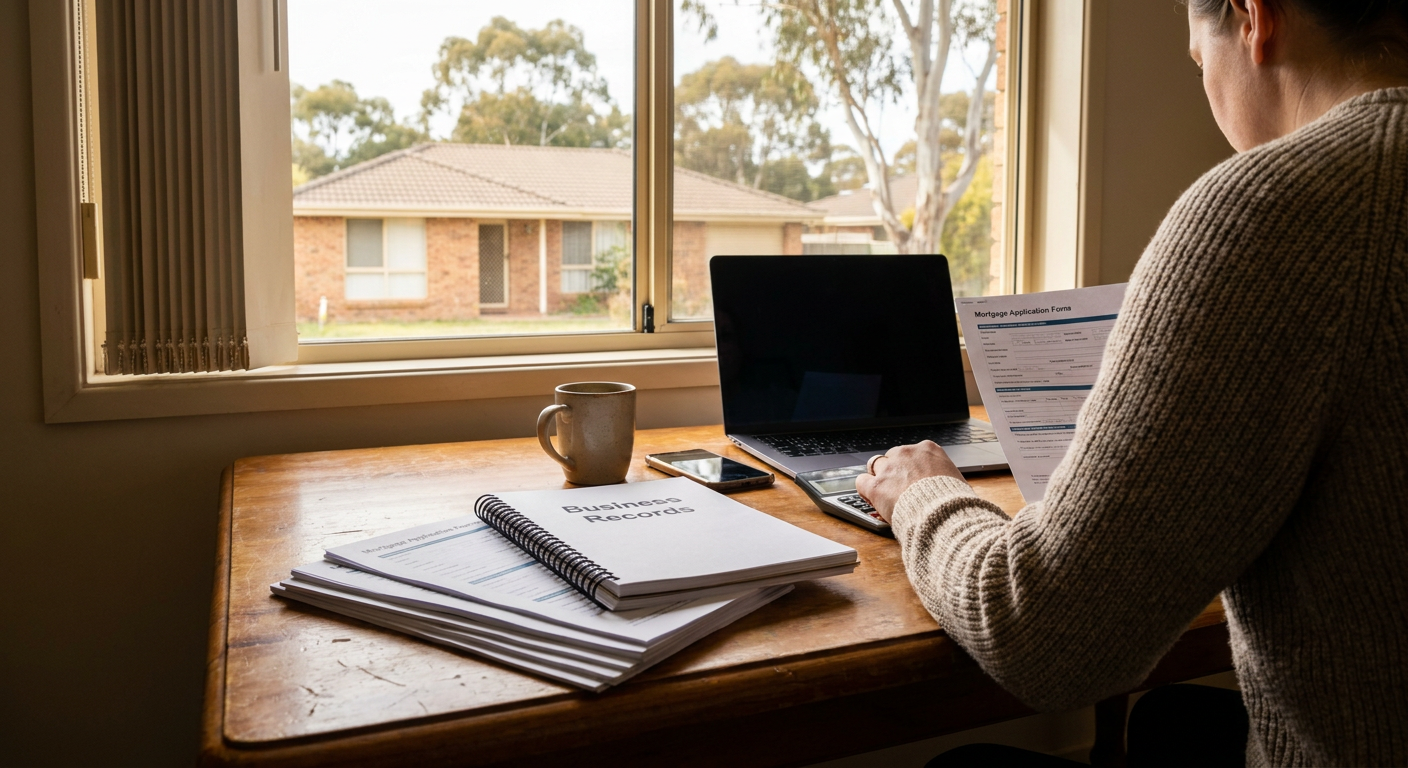
Navigating the landscape of self-employed home loans in Australia can be a daunting task for many individuals. With unique income verification processes and various mortgage options available, understanding the intricacies of securing home loan is crucial. This comprehensive guide will explore the different mortgage options tailored specifically for self-employed borrowers, the documentation required, as well as the support services available from expert finance providers like Trelos Finance. Many self-employed individuals face challenges in securing loans due to irregular income streams and the lack of traditional employment verification. This guide aims to clarify the process and assist potential borrowers in overcoming common challenges. Along the way, we will delve into mortgage types, interest rates, lender selection criteria, and the role of specialised financial services in easing the application journey.
What Are the Mortgage Options Available for Self Employed Borrowers in Australia?
Self-employed individuals in Australia have several mortgage options available to them, providing flexibility despite the unique challenges they face. These options often cater to the varying income structures and fluctuating cash flows characteristic of self-employment. Understanding which types of loans are most suitable is essential.
Which Loan Types Suit Self Employed Individuals and Businesses?
The diverse loan options available for self-employed borrowers include:
- Low-Doc Loans: Ideal for those with limited documentation, these loans allow self-employed individuals to provide less traditional proof of income while still being eligible for funding.
- Full-Doc Loans: Standard loans requiring comprehensive documentation, including tax returns and financial statements. These loans might offer more competitive interest rates.
- Lines of Credit: A flexible borrowing option allowing self-employed individuals to access funds as needed, making them suitable for managing cash flow fluctuations.
These options provide self-employed borrowers with a pathway to home ownership tailored to their specific financial situations and abilities.
How Do Interest Rates for Self Employed Home Loans Compare Across Lenders?
Interest rates for self-employed home loans can vary significantly depending on the lender’s assessment criteria and the applicant’s financial profile. Typically, traditional lenders may perceive self-employed borrowers as higher risk, which can sometimes lead to higher interest rates compared to standard borrowers. Therefore, it is essential for applicants to compare rates across different lenders.
Some factors that influence interest rates include:
- The type of loan selected (low-doc vs. full-doc).
- The borrower’s credit history and score.
- The overall economic climate affecting lending practices.
Self-employed individuals should ensure they conduct thorough market research to understand which lenders offer the best rates suited to their profiles.
What Documents Are Needed for a Self Employed Home Loan in Australia?
The documentation required for self-employed home loans can be more complicated than for traditional borrowers. Accurate income verification is critical. This section outlines the vital documents that need to be submitted.
How Is Income Verified for Self Employed Mortgage Applications?
Income verification for self-employed individuals typically requires:
- Tax Returns: Complete personal and business tax returns for the last two financial years.
- Business Activity Statements (BAS): Statements from the past year to demonstrate income consistency.
- Profit and Loss Statements: Detailed documents that showcase revenue, expenses, and net income.
This documentation serves to provide lenders with a clear picture of the applicant’s financial health and income stability.
What Supporting Documents Strengthen Your Loan Application?
Along with the standard income verification documents, additional supporting documents can enhance the strength of a loan application:
- Letters of Reference: Professional references can help to establish credibility within the lending process.
- Financial Statements: Current statements from accountants can provide reassurance regarding the business’s performance.
- Client Contracts: Proof of ongoing contracts or projects may further demonstrate potential income reliability.
Providing comprehensive documentation not only expedites the approval process but bolsters the self-employed borrower’s case.
How to Choose the Right Self Employed Mortgage Lender in Australia?
Selecting an appropriate mortgage lender is a crucial aspect of the home loan application process for self-employed individuals. Various factors should be considered to ensure the chosen lender meets the unique needs of self-employed borrowers.
Which Lenders Are Most Flexible With Self Employed Income Patterns?
Some lenders specialise in catering to self-employed individuals and offer flexible lending policies. When searching for a lender, borrowers may benefit from researching:
- Institutions known for low-doc loan options.
- Lenders with favourable policies regarding fluctuating income.
- Reputation for speedy application processing and customer service.
It is advisable to compare multiple lenders and read client reviews to identify those that have a successful track record with self-employed borrowers.
What Factors Should Influence Your Lender Selection?
Several key factors should influence the decision when selecting a mortgage lender:
- Fees and Rates: Evaluate all associated loan costs, including establishment fees and ongoing charges, along with the interest rate.
- Loan Types Offered: Ensure the lender provides loan products tailored to the self-employed borrower’s needs.
- Customer Support: Look for lenders with strong customer support systems, as they can assist throughout the application process.
Thorough research can save borrowers time and money, and help avoid any hidden complications later in the mortgage journey.
What Are the Steps in the Self Employed Home Loan Application Process?
Understanding the application process can dramatically influence a self-employed borrower’s success when seeking a mortgage. Following a structured approach can help streamline the journey.
How to Prepare and Submit Your Mortgage Application Efficiently?
Preparation is key. Self-employed applicants should prepare by:
- Ensuring all required documents are compiled and organised.
- Addressing any discrepancies in income reporting ahead of time.
- Engaging with a finance broker who specialises in self-employed loan applications for tailored advice.
Submitting a well-prepared application can lead to quicker approvals and a smoother process.
What Are Common Challenges During Approval and How to Overcome Them?
Self-employed borrowers often face unique challenges during the approval process, including:
- Communication Issues: Maintain open lines with lenders to check the status of an application.
- Documentation Delays: Prepare all required documents in advance to prevent hold-ups.
- Lender Response Times: Understand that the approval process can take longer; using a finance broker may help in navigating these delays.
Recognising common challenges allows borrowers to proactively mitigate issues that could derail the approval process.
How Do Interest Rate Trends and Refinancing Options Affect Self Employed Borrowers?
Interest rate trends play a significant role in the financial landscape for self-employed borrowers. Being aware of market fluctuations can benefit homeowners looking to refinance or secure a better rate down the road.
What Are the Current Interest Rate Trends for Self Employed Home Loans?
As of October 2023, interest rates for home loans have shown a tendency to fluctuate based on market conditions. Current trends indicate increased competition among lenders, which can create opportunities for self-employed borrowers to secure more favourable rates.
Following the Reserve Bank of Australia’s policies and economic indicators can help borrowers stay informed about potential changes in lending rates.
When and How Should Self Employed Borrowers Consider Refinancing?
Refinancing options can provide significant savings for self-employed homeowners. It is advisable to consider refinancing when:
- There’s a significant drop in interest rates compared to the current loan.
- The financial position of the borrower improves, allowing access to better loan products.
- There’s a desire to access equity in the property for business growth or personal needs.
Ensuring that refinancing aligns with overall financial goals can lead to more beneficial outcomes.
What Support Does Trelos Finance Offer for Self Employed Home Loan Applicants?
Navigating the complexities of securing a home loan as a self-employed individual can be simplified through expert assistance. Trelos Finance provides tailored support to help borrowers achieve their home loan objectives.
How Does Trelos Finance Personalise Advice for Self Employed Clients?
Trelos Finance offers personalised mortgage assistance by understanding the unique business models of self-employed clients. Their approach focuses on clear communication, assessing individual financial situations, and recommending suitable loan options based on current industry knowledge.
What sets Trelos Finance apart is their emphasis on building trust through ongoing support and transparency throughout the process. By taking a client-centered approach, they seek to address specific challenges faced by self-employed borrowers effectively.
What Case Studies Demonstrate Successful Self Employed Loan Approvals?
Trelos Finance showcases several case studies that highlight successful loan approvals for self-employed clients. These examples often reflect persistent efforts to facilitate understanding between borrowers and lenders.
By providing evidence of overcoming challenges such as fluctuating income or inadequate documentation, these case studies serve as encouragement for new applicants. Demonstrating real-world scenarios can inspire confidence in prospective clients navigating the complexities of securing a home loan.
What Frequently Asked Questions Do Self Employed Borrowers Have About Home Loans?
Self-employed borrowers often have specific questions that can help clarify the loan application process. Below we address some of the most common queries.
What Documents Prove Self Employed Income for Home Loan Applications?
Documentary evidence of income for self-employed applicants typically includes:
- Tax Returns: Essential for lenders to authenticate income.
- BAS Statements: To show consistent income streams and relevant tax liabilities.
- Business Financial Statements: Detailed assessments of business profitability.
Each of these documents plays a critical role in establishing income validity and thus enhancing approval chances.
Can I Get a Mortgage if I Have Fluctuating Income or Credit Issues?
It is possible for self-employed borrowers with fluctuating income or past credit issues to secure a mortgage. Lenders may require:
- A detailed explanation of credit history.
- A strong plan demonstrating potential for income stabilisation.
- Possibly, a higher deposit to mitigate perceived risk.
Understanding the lender’s perspective and preparing accordingly can considerably enhance the chances of loan approval.
